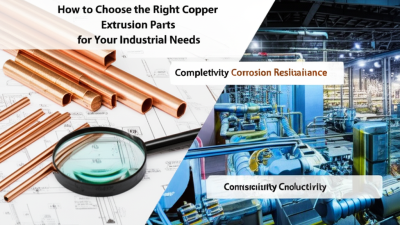
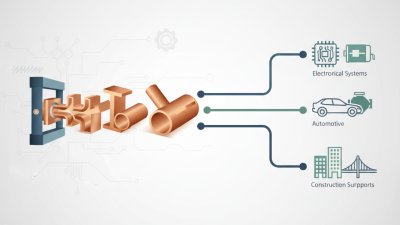
In the ever-changing world of manufacturing, Copper extrusions are really starting to play a vital role across a bunch of applications. Companies like Future Metals and Aesthetics Precision are kinda leading the charge, always looking into new techniques and trends to watch for in 2026. And, honestly, the demand forCopper Bar Extrusions is definitely picking up. It’s clear people are leaning more towards copper because of its fantastic conductivity and durability — it just can’t be beaten.
Recently, there have been some cool innovations, especially around making the extrusion process more efficient and cutting down on waste. It’s all about trying to keep up with the new challenges out there. But let’s be real — the industry still faces some hurdles. Finding that sweet spot between top-notch quality and keeping costs in check isn’t always easy. Some manufacturers are still hanging onto outdated methods, which honestly opens the door for others willing to innovate and step up their game.
Looking ahead, the future of Copper Extrusions really depends on how willing we are to embrace new tech. At the same time, it’s important to recognize where things can improve — growth often comes from reflection as much as innovation. Staying adaptable and constantly learning will be key to success. The trends suggest things are looking bright, but honestly, taking a moment to reflect on past practices is equally crucial. Only then can the industry really reach its full potential.
2026 Innovations in Copper Extrusion Techniques: A Comprehensive Overview
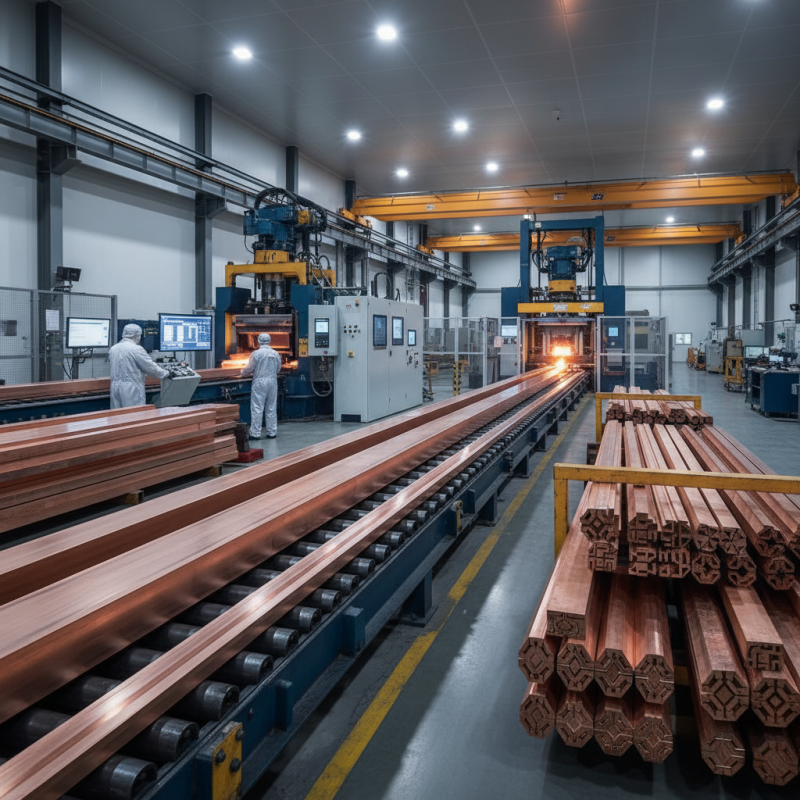
Copper extrusion techniques are evolving rapidly in 2026. Innovations focus on enhancing efficiency and sustainability. Industry reports indicate a projected market growth at 4% from 2023 to 2028. This growth is partly due to advancements in extrusion processes.
Recent studies highlight the shift towards advanced die technology. These new designs improve material flow and reduce waste. Some manufacturers are experimenting with 3D printed dies, which allow for complex shapes and lower costs. However, these innovations also require more skilled labor, creating a skill gap in some areas.
Sustainable practices are becoming mandatory. Over 60% of companies are adopting eco-friendly approaches in their extrusion processes. The challenge is balancing efficiency with sustainability. The industry's future depends on overcoming these obstacles while catering to increasing demands for high-quality copper products.
Recent Advancements in Alloy Formulations for Copper Extrusions
Recent advancements in alloy formulations for copper extrusions are reshaping the industry. The demand for lightweight yet strong materials has driven innovations. According to a recent industry report, the global demand for copper extrusions is set to grow by 5% annually. This growth emphasizes the need for enhanced alloy compositions that can meet stricter performance standards.
New alloys, such as copper-aluminum and copper-nickel, show exceptional strength and conductivity. These formulations exhibit improved resistance to corrosion and fatigue. They are crucial in industries like Aerospace and automotive. Reports indicate that using these advanced alloys can increase lifespan by over 30%. Manufacturers are testing new blends to optimize performance without compromising cost.
Tip: Always evaluate the alloy’s thermal properties before selection. A poor choice can lead to overheating during the extrusion process. Consider conducting trials to identify the ideal formulation for your specific needs.
Yet, challenges remain. The process of developing new alloys often requires extensive
research and testing. Not every formulation will yield the desired results on the first try. Mistakes can lead to wasted resources and time, which could affect overall production efficiency. Investing in R&D is essential, but it can be a double-edged sword if not managed wisely.
Tip: Collaborate with research institutions to access cutting-edge knowledge. This can mitigate risks and guide better decision-making. Clear communication about project expectations is vital as well.
Impact of Automation and Robotics on Copper Extrusion Efficiency
The integration of automation and robotics into copper extrusion processes is transforming the industry. For instance, robotic arms handle intricate tasks with precision. These technologies can increase production rates and reduce waste, which is crucial. However, the cost of implementing such systems may be a barrier for smaller facilities. The balance between investment and efficiency is a key consideration.
As the demand for Copper Rod Extrusions grows, so does the need for improved techniques. Automated systems can achieve high levels of accuracy in material shaping. Still, there are challenges to overcome, such as system maintenance and operator training. Understanding how to manage these aspects is essential for future success. Additionally, operators must adapt to new workflows, which may require time and patience.
Investing in automation is not a simple choice. Small businesses may struggle with the upfront costs. Yet, many manufacturers see long-term savings in efficiency and quality. The industry must evaluate the trade-offs carefully. Embracing technology can lead to breakthroughs but requires thorough consideration of risks and rewards in the fast-paced market.
2026 Copper Extrusion Efficiency Trends
This chart illustrates the efficiency percentages of different copper extrusion techniques as of 2026. The fully automatic method shows the highest efficiency, demonstrating the significant impact of automation and robotics on the copper extrusion industry.
Key Trends in Sustainable Practices for Copper Extrusion Manufacturing
Sustainability in copper extrusion manufacturing is evolving. The demand for eco-friendly practices is increasing. According to recent industry reports, 63% of manufacturers are adopting greener methods. This shift is driven by both regulatory requirements and consumer preferences.
One key trend involves reducing waste during Copper Tube Extrusions. Advanced techniques like die design optimization are being applied. These methods can decrease material loss by up to 40%. Furthermore, recycling practices are gaining traction. Many companies are integrating more recycled copper into their production processes. This not only lowers costs but also minimizes environmental impact.
However, challenges remain. Some manufacturers still rely heavily on traditional processes. These can be inefficient and generate excessive waste. To fully embrace sustainable practices, the industry must commit to ongoing improvement. Education and technology are vital for this transformation. The future of copper extrusion lies in innovation and responsibility.
Analysis of Market Demand for Copper Extrusions in Various Industries
The demand for copper extrusions is soaring across various industries. The automotive sector is a key player, utilizing copper in electric vehicles and charging stations. A report from the Copper Development Association notes a 15% increase in demand for electric vehicle components in 2023. This trend suggests that more manufacturers are focusing on lightweight and efficient materials.
In construction, copper extrusions are vital for plumbing and electrical applications. The Building and Construction Authority highlighted a projected growth of 20% in copper usage for sustainable building practices by 2026. This shift towards green construction is influencing the extrusion market. Manufacturers must adapt to meet these evolving standards.
**Tip:** Stay updated on market trends to ensure alignment with industry needs. Regularly assess your design techniques to enhance efficiency and sustainability. Embracing innovative extrusion methods may offer competitive advantages. Reflect on areas for improvement in your production processes to keep pace with changing demands.
Emerging Technologies: 3D Printing Integration in Copper Extrusions
The integration of 3D printing technology in copper extrusions represents a significant shift in manufacturing processes. According to recent reports, the copper extrusion market is projected to grow by around 5.5% annually through 2026. This growth is partly driven by advancements in additive manufacturing techniques that enhance design flexibility and reduce material waste. Copper Alloy Extrusions are becoming more common in various applications due to their superior electrical and thermal conductivity.
Emerging technologies allow for complex geometries that traditional methods cannot achieve. 3D printing can produce intricate parts in a fraction of the time. However, this innovation isn't without challenges. The properties of copper alloys might change when processed through different 3D printing techniques. Manufacturers need to refine their approaches continuously. Quality control remains a critical concern, as inconsistencies can lead to product failure.
The synergy between traditional copper extrusions and modern techniques is not fully realized yet. Adopting new trends requires investment and experience. Educating the workforce on these new technologies is essential. The integration of 3D printing with copper alloy extrusions can revolutionize various industries. However, it is important to act cautiously and reflect on methods to ensure that quality and efficiency are prioritized.
Industry Standards and Best Practices in Quality Control for Copper Extrusions
In the copper extrusion industry, quality control is crucial. Recent studies indicate that nearly 30% of extrusion defects stem from inadequate quality management practices. These defects not only increase production costs but also compromise product integrity. Implementing rigorous quality control measures can significantly reduce these issues, leading to more reliable Copper Angle Extrusions.
Current industry standards emphasize the importance of regular testing and inspection throughout the extrusion process. This includes checks for dimensional accuracy and surface finish quality. Many manufacturers use advanced technologies, such as automated optical inspection, to enhance accuracy. For example, reports suggest that companies adopting these technologies see a 25% reduction in defect rates. However, many still struggle with outdated practices that do not keep pace with advancements.
Moreover, employee training in these new methodologies is often overlooked. A skilled workforce can identify potential errors early, saving time and resources. Continuous improvement in quality control is an ongoing challenge for many organizations. While some leaders have made strides, a significant portion of the industry remains stagnant, risking quality and customer satisfaction. Investing in best practices for copper extrusions is essential, but it requires commitment and adaptability from all involved.
2026 Best Copper Extrusions Techniques and Trends
| Technique | Trend | Industry Standard | Best Practice in Quality Control |
| Direct Extrusion | Sustainability | ASTM B241 | Regular Inspection Intervals |
| Indirect Extrusion | Automation | ISO 9001 | Process Control Techniques |
| Hot Extrusion | High Purity Materials | ASTM B5 | Statistical Process Control (SPC) |
| Cold Extrusion | Customization | ASTM B453 | Material Traceability Checks |
| Profile Extrusion | Lightweight Solutions | ISO 14001 | End-Product Testing |
Innovative Applications of Copper Alloy Die Castings in the Electrical and Electronics Sector
Copper alloy die castings have revolutionized the electrical and electronics sector, serving as a reliable foundation for high-performance devices. These castings excel due to their remarkable electrical conductivity, providing efficient pathways for current flow while minimizing energy losses. The inherent resistance to corrosion and high temperatures ensures the longevity and reliability of critical components often exposed to harsh operating conditions. Whether in connectors, housings, or intricate circuit elements, copper alloy castings are indispensable in the pursuit of enhancing functionality and efficiency in modern electronics.
In addition to their electrical properties, the versatility of copper alloy castings allows manufacturers to tailor components to meet specific requirements. The ability to mold these alloys into complex shapes enables the creation of intricate designs that are lightweight yet robust, making them ideal for compact electronic devices. This adaptability not only facilitates innovation but also drives advancements in technology, enabling the development of smarter and more efficient electrical systems. With the ever-increasing demand for high-quality performance in the electronics sector, copper alloy die castings are becoming the material of choice for engineers and designers aiming to push the boundaries of what is possible.
FAQS
: Innovations focus on enhancing efficiency and sustainability in copper extrusion processes.
Automation increases production rates and reduces waste but poses costs for smaller businesses.
There's a skill gap due to the need for more skilled labor to operate advanced technologies.
Over 60% of companies are adopting eco-friendly practices due to regulatory pressures and consumer demand.
Manufacturers are optimizing die designs to reduce waste and integrating more recycled copper in production.
Yes, the cost, maintenance, and training required can be challenging for smaller facilities.
Some methods can decrease material loss by up to 40%.
Balancing the upfront investment with long-term savings in efficiency and quality is crucial.
Ongoing education is vital for embracing new technologies and improving sustainability in production.
The future depends on overcoming challenges while meeting the demand for high-quality copper products.
Conclusion
The article titled "2026 Best Copper Extrusions Techniques and Trends" provides an insightful overview of the latest innovations and advancements shaping the copper extrusion industry. It highlights the emergence of new techniques, particularly in alloy formulations, which enhance the performance and application scope of copper extrusions. Additionally, the integration of automation and robotics is discussed, emphasizing its role in improving production efficiency and consistency.
Sustainability is also a key focus, with trends showcasing eco-friendly practices in copper extrusion manufacturing. The analysis of market demand across various industries reflects the growing reliance on copper extrusions for diverse applications. Notably, the article addresses the potential of emerging technologies, such as 3D printing, to revolutionize the production process. Finally, it underscores the importance of adhering to industry standards and best practices to ensure quality control in copper extrusions, paving the way for continual growth and innovation in this field.